Down to Earth: Manufacturing modernity in the Haouz
Down to Earth is a PhD research project that
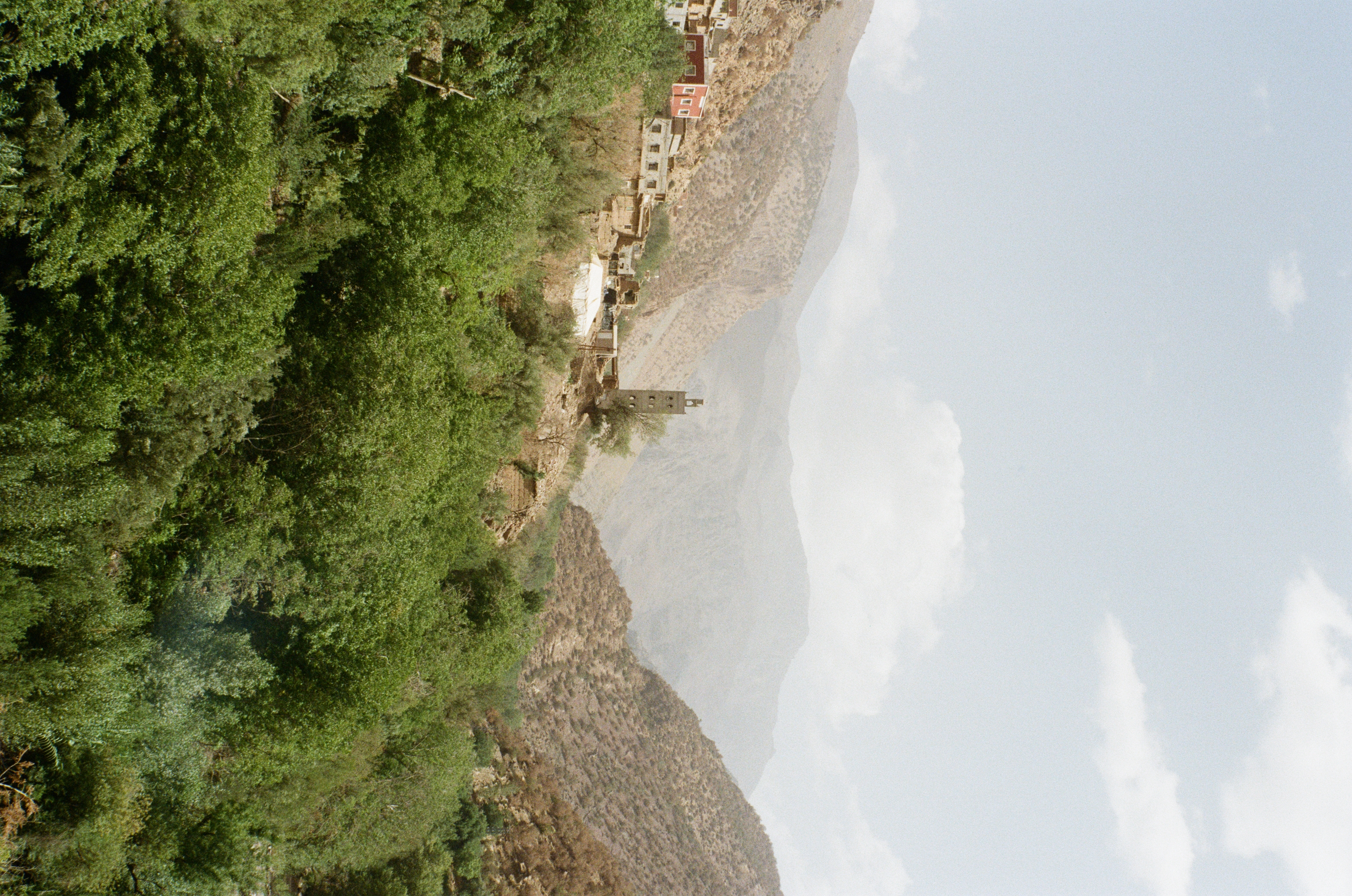
examines the reconstruction of Morocco’s rural Haouz region following the 2023 earthquake that destroyed approximately 50,000 homes, displacing thousands of residents.
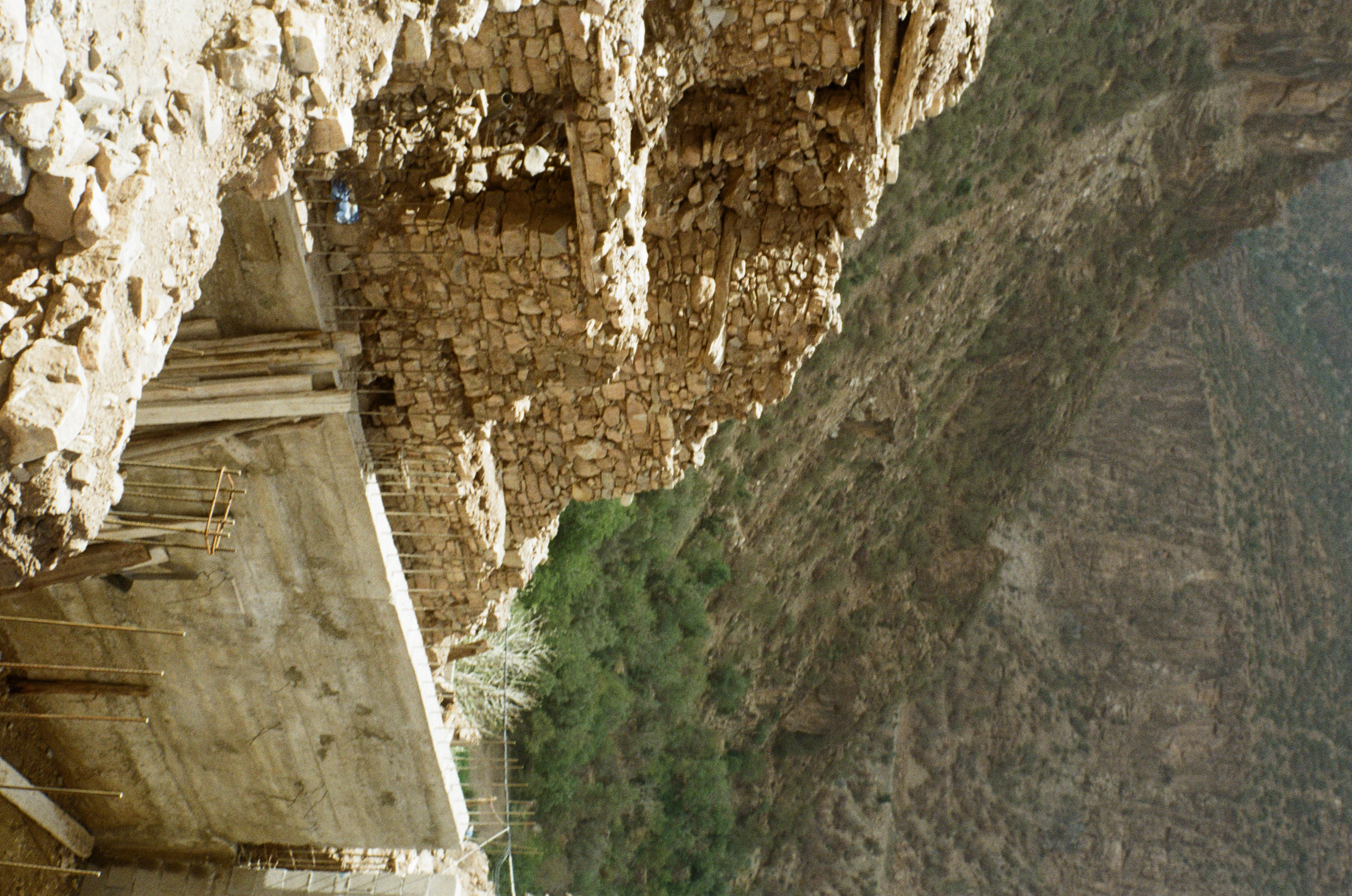
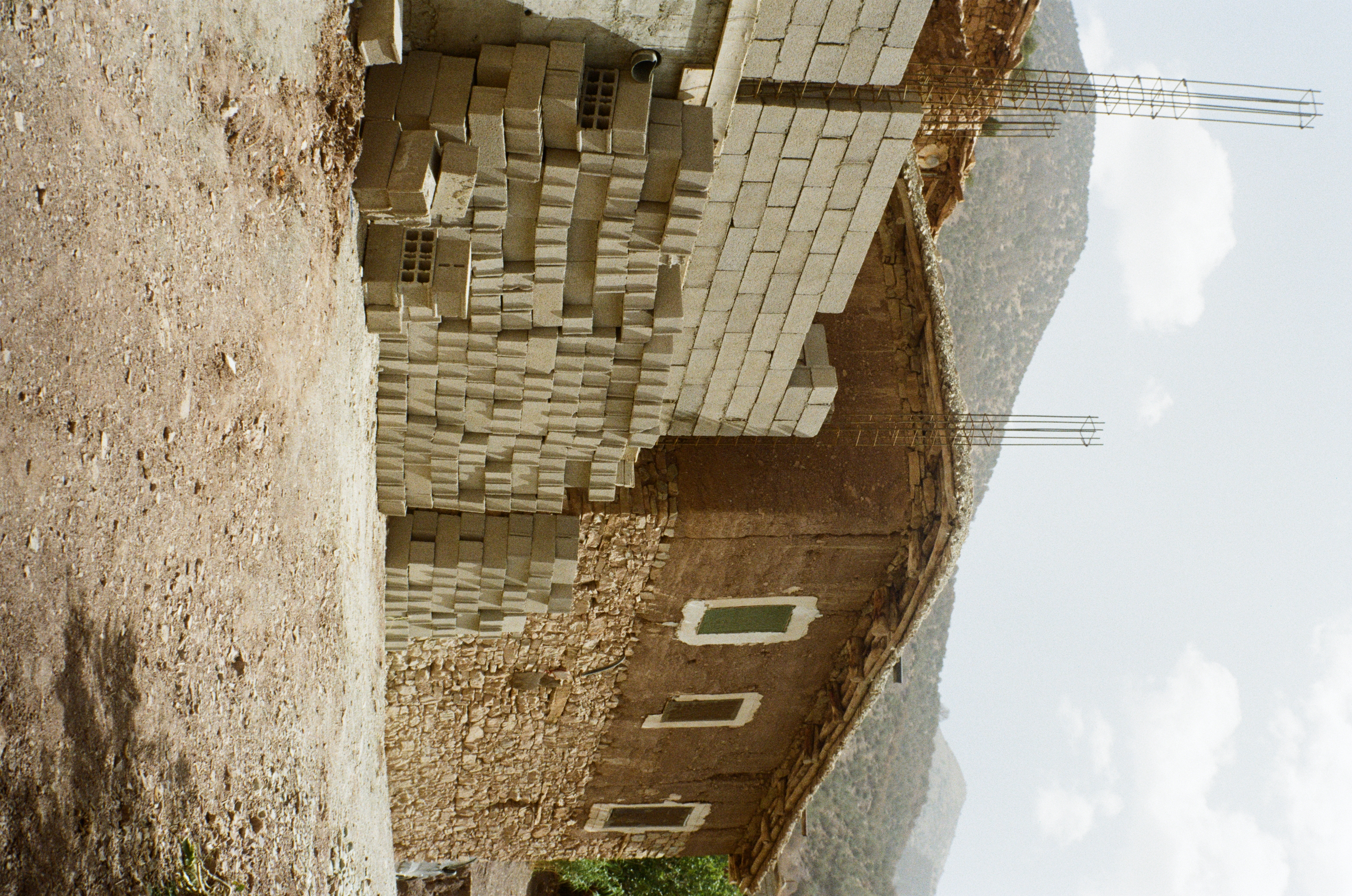
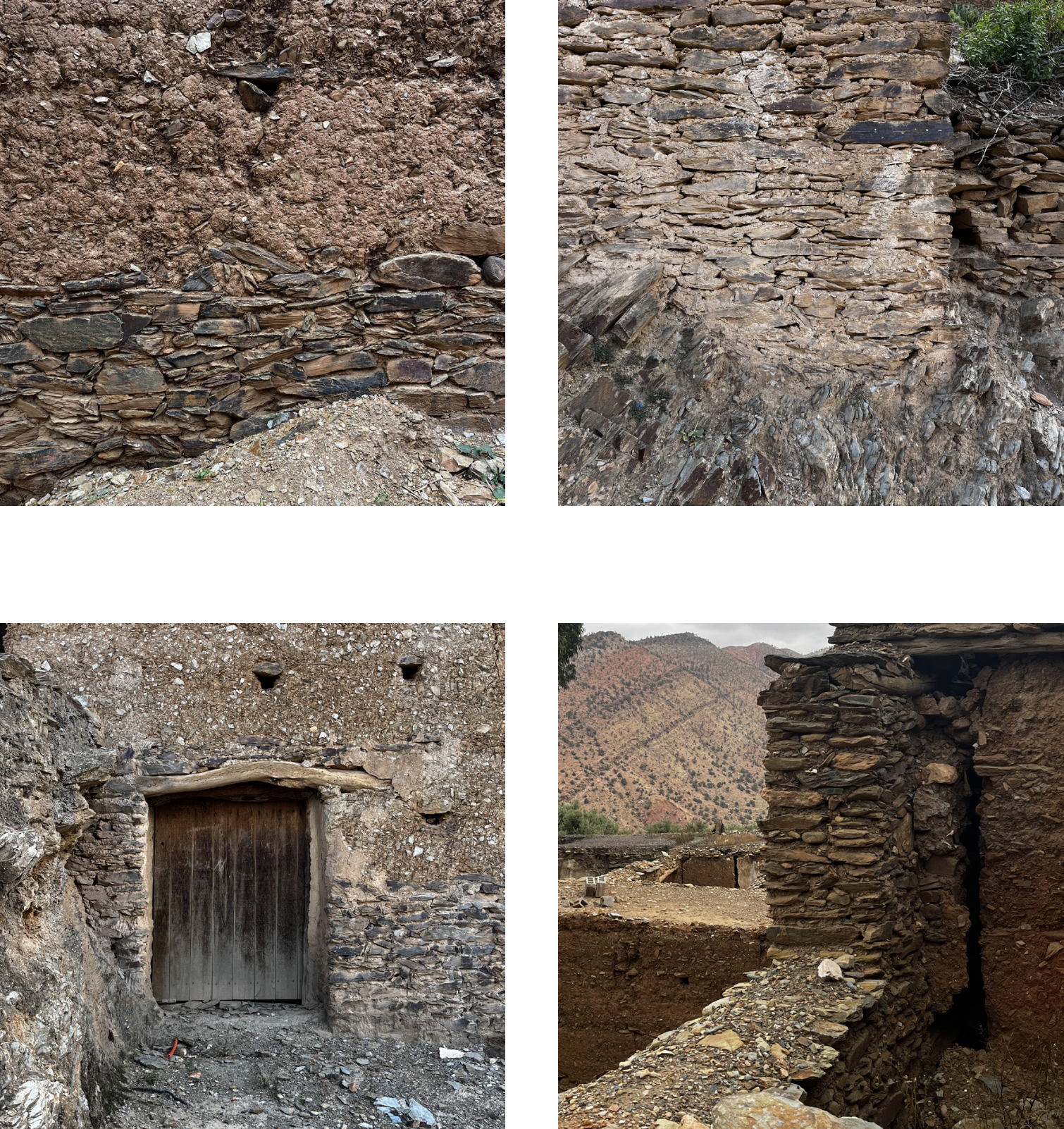
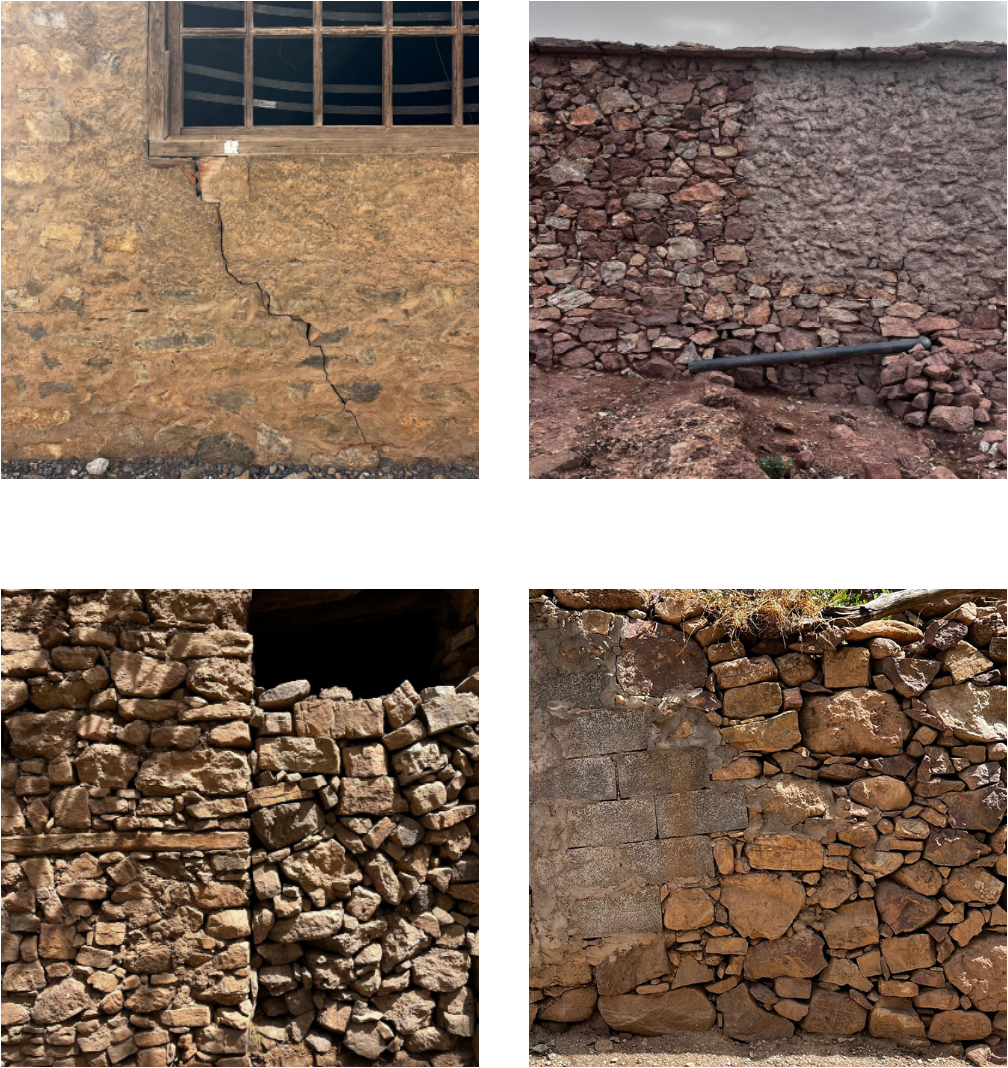
This region, home to a rich living heritage of mud and stone architecture, faces numerous challenges as its reconstruction unfolds amidst the growing dominance of concrete that is steadily replacing vernacular constructions throughout the country.
This research project examines the social and material aftermaths of the earthquake and the ways in which prevailing State reconstruction logics in the region are producing new rural identites. It approaches post-disaster reconstruction in the Haouz as a critical site for negotiating material futures and rural identities. In examining the earthquake beyond its natural aftermath, the study investigates how the reconstruction process exposes deeper conflicts between vernacular spatial practices and Morocco’s Vision 2030, a serie of Royal development strategies culminating in the year 2030. In this context, concrete is situated not merely as a technical solution but as a social agent that binds and restructures labor relations, material hierarchies, and rural temporalities, while simultaneously enabling new aspirations of modernity and citizenship.
Rather than questioning what does it mean to be modern in today’s rural Morocco, this research project ventures into the how we do become modern in the countryside : What are the logics at play behind the manufacture of modernity and how, amidst the cracks of mud walls patched with cement mortars, can we read the emergence of a new spatial identity in the Haouz ?
This research project examines the social and material aftermaths of the earthquake and the ways in which prevailing State reconstruction logics in the region are producing new rural identites. It approaches post-disaster reconstruction in the Haouz as a critical site for negotiating material futures and rural identities. In examining the earthquake beyond its natural aftermath, the study investigates how the reconstruction process exposes deeper conflicts between vernacular spatial practices and Morocco’s Vision 2030, a serie of Royal development strategies culminating in the year 2030. In this context, concrete is situated not merely as a technical solution but as a social agent that binds and restructures labor relations, material hierarchies, and rural temporalities, while simultaneously enabling new aspirations of modernity and citizenship.
Rather than questioning what does it mean to be modern in today’s rural Morocco, this research project ventures into the how we do become modern in the countryside : What are the logics at play behind the manufacture of modernity and how, amidst the cracks of mud walls patched with cement mortars, can we read the emergence of a new spatial identity in the Haouz ?